
Quentin Cooks
The San Quentin Cooks Project exists to empower justice-impacted individuals through culinary training that demonstrates the transformative power of food.
In San Quentin, prison inmates are cooking up gnocchi and brighter futures
Reporting from San Quentin, CA — H Unit sits low behind double rows of high steel chain-link fencing, between which loop extravagant rolls of razor wire. It’s in a corner of San Quentin State Prison farthest from the front gate and the gift shop, beyond which Interstate 580 runs traffic to and from the well-off towns of Marin County, north of the Golden Gate. Beyond the second gate of H Unit, which rolls open only when the first has closed, and the drab receiving desk, with its officer who lets visitors know that if an inmate takes them hostage, the warden will not negotiate for their release.
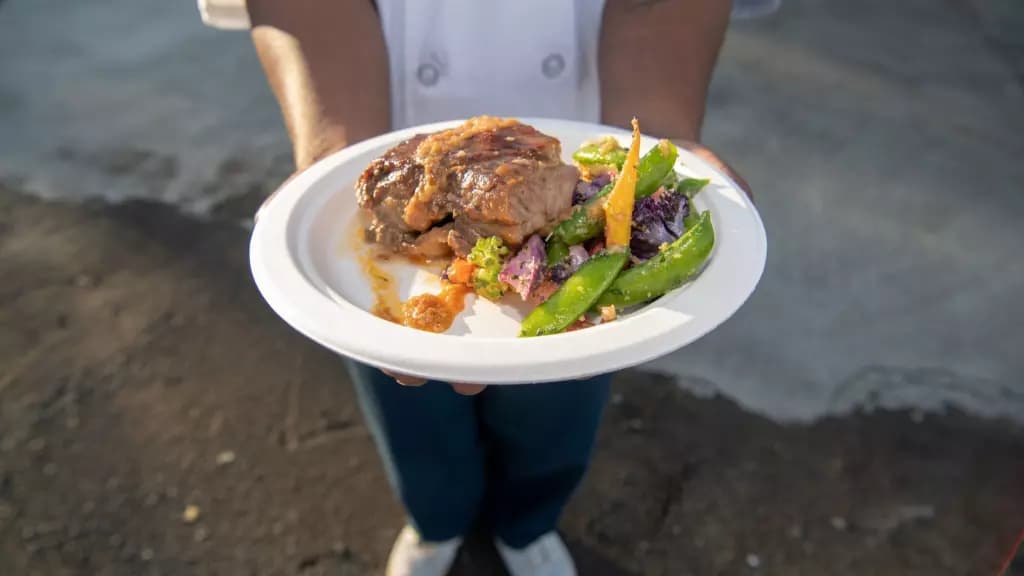
Inside CDCR Video: Quentin Cooks
It’s easy at first to think that the Quentin Cooks program is all about food. Food is certainly the focus, as volunteer chefs from the San Francisco Bay Area teach San Quentin inmates the skills they need to work in a culinary setting. But Quentin Cooks is much more than a cooking school. The class emphasizes the personal bonds that are formed between those who prepare food and those who are served. It emphasizes teamwork, the ability to work with people of different backgrounds and personal responsibility for being accountable. Those skills are just as valuable for succeeding in life as they are in the chaotic environment of a commercial kitchen.
Quentin Cooks culinary program serves up big audience
A documentary filmmaker spent a year in San Quentin filming a cooking program as it progressed. He found that learning high-end culinary arts changed the way incarcerated people see the world. “The guys really talk about the pride of cooking for the other guys,” said filmmaker Santhosh Daniel, “When you cook for someone else and put your soul into it, it changes you from thinking about yourself to thinking about the people around you. The word is love.”
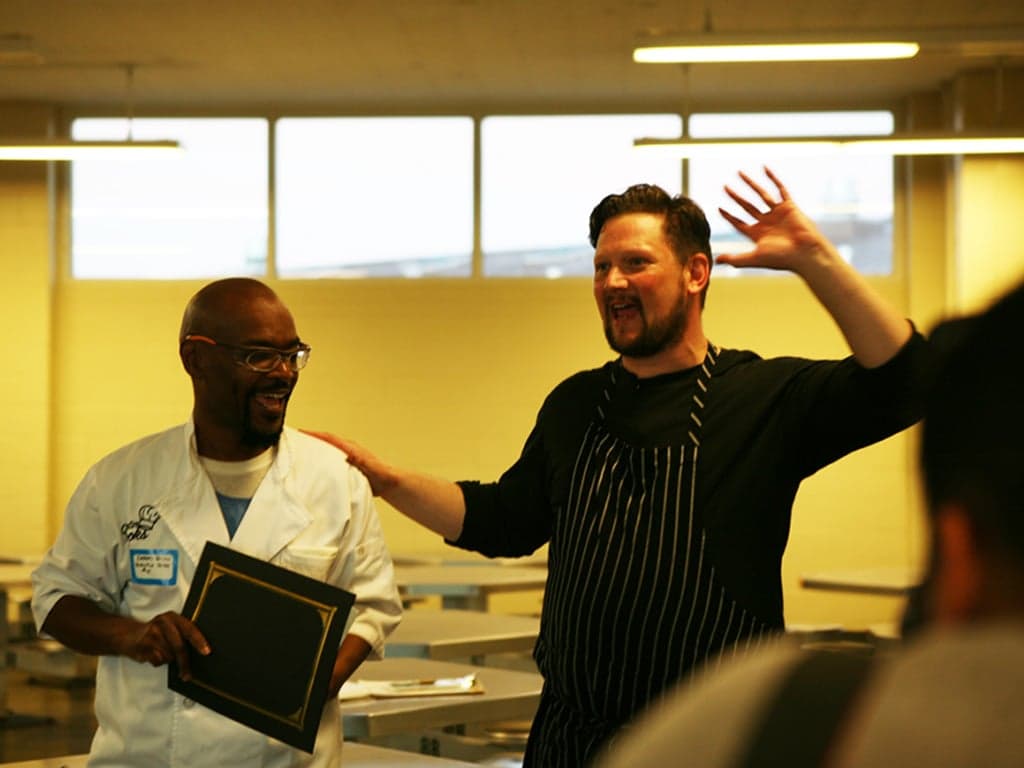
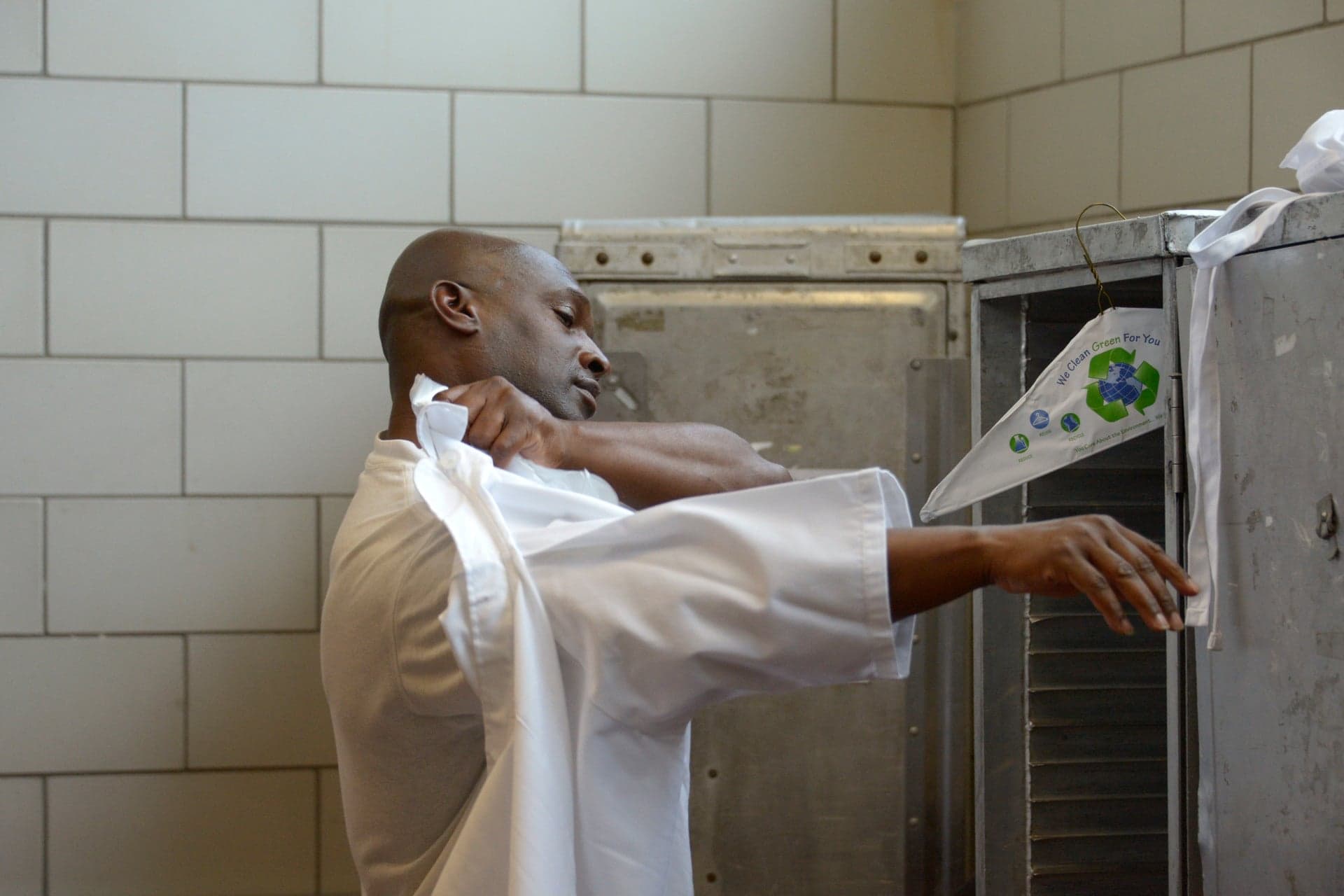
From Quentin to the Kitchen: Preparing for Life After Prison in the Bay Area
Formerly incarcerated people who can’t find work within the first year of their release face a 52 percent chance of returning to prison. Those who do find work have a better chance of staying out. “Coming out, it’s kind of hard having to ask people for a second chance,” said Joel McCarter, who was released from San Quentin State Prison in 2017. While serving time there, he enrolled in one of the many rehabilitation and transitional programs at the state prison — Quentin Cooks.
Quentin Cooks: Preparing for the outside
The oldest and most notorious prison in California has become a place to teach soon-to-be-released inmates the tools they need to survive on the outside, including how to make banana pudding.
A San Quentin Prison culinary program and its restaurant-ready inmates
SAN QUENTIN — The scent of brown butter and toasted pine nuts wafts from the H Unit kitchen of the oldest prison in California, where eight inmates are learning to make gnocchi. Outside, the building is surrounded by guards and razor wire. But inside — save for the knives chained to the work stations — this could be any restaurant kitchen.
'Quentin Cooks' Program Teaches San Quentin Inmates Fine Culinary Skills
SAN QUENTIN (KPIX 5) -- On a night at San Quentin Prison, behind its bars and watchful guard towers, inmates who are serving time are also serving something else. The group of incarcerated men is part of Quentin Cooks, a non-profit that will train them to make and serve fine dining meals, using ingredients like fennel, olive oil and lemon juice. It's not your typical fare for a prison dining room. And like any good chefs, there were some nerves in the kitchen as food was being prepared.
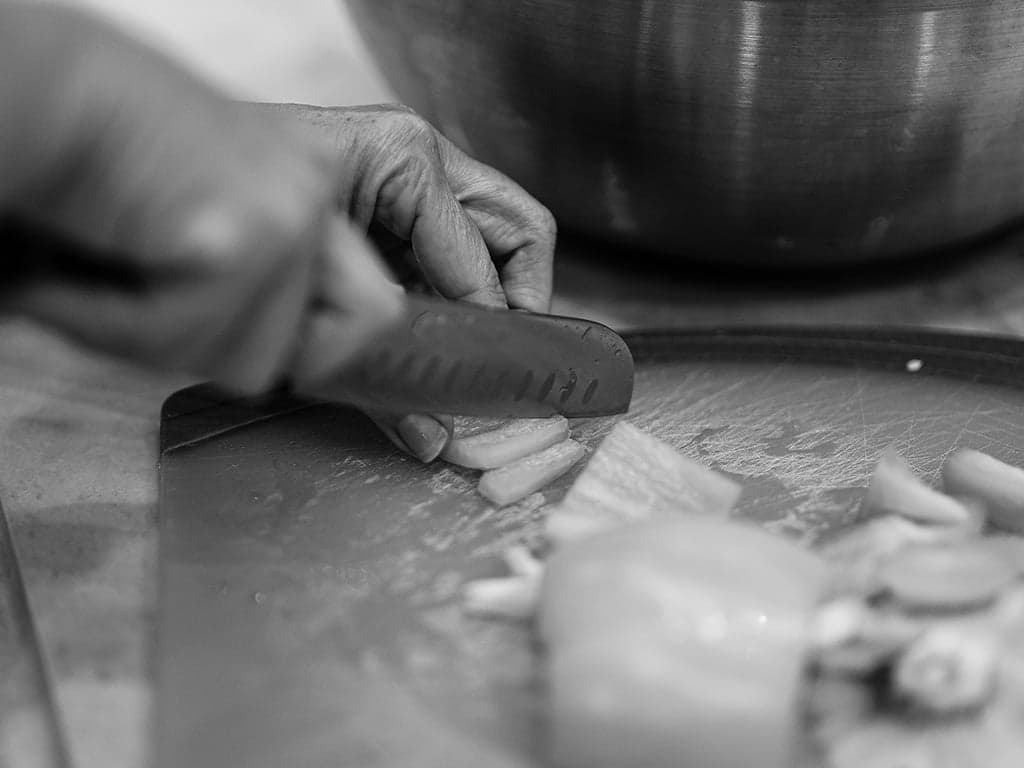
San Quentin cooking class trains inmates for life outside
Four days before his scheduled release from California’s oldest prison, Daniel Martinez was covered in flour in a San Quentin kitchen, beating eggs, kneading dough and chopping nuts. Next week, when his seven classmates graduate from the Quentin Cooks program, Martinez plans to be at home with his wife in Sacramento, following up on a few job opportunities he’s been connected with through the prison’s culinary training course.